Knee discomfort, a stiff shoulder or a persistent tendon problem can make everyday movement difficult. Platelet-rich plasma (PRP) joint and tendon injections may be considered for some of these concerns, following an individual assessment.
At Blemish Clinic in Ramsbottom, treatment is tailored to your symptoms, medical history and the area affected. This guide explains how PRP works, which conditions it may support and what to expect during treatment and recovery.
How PRP works
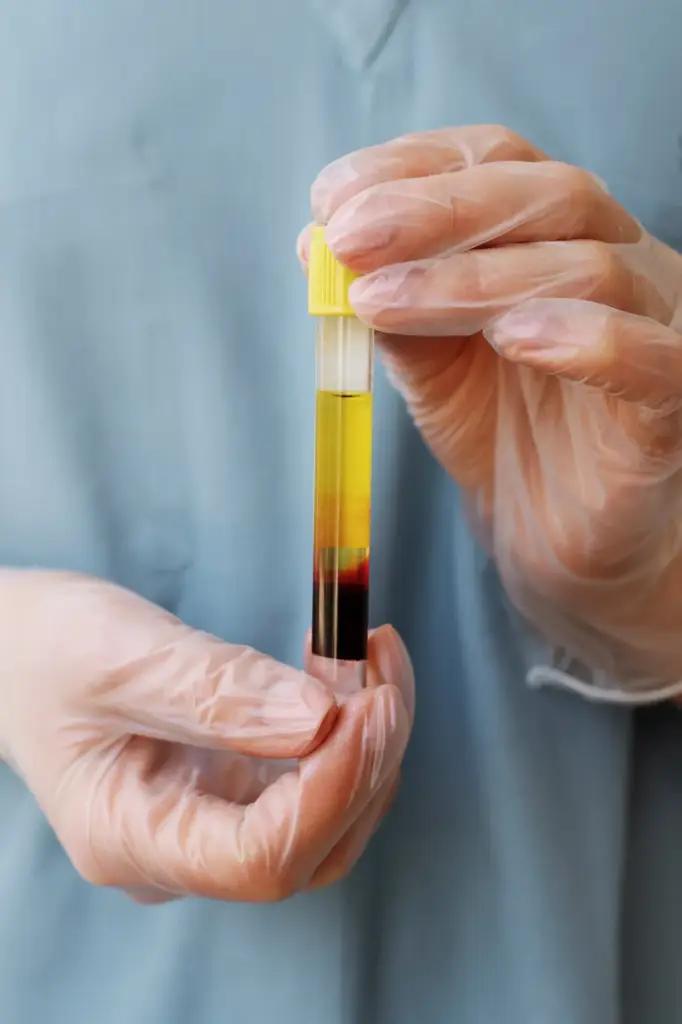
PRP is a minimally invasive treatment that uses a concentrated preparation from your own blood. It contains platelets and growth factors involved in the body’s natural tissue repair processes.
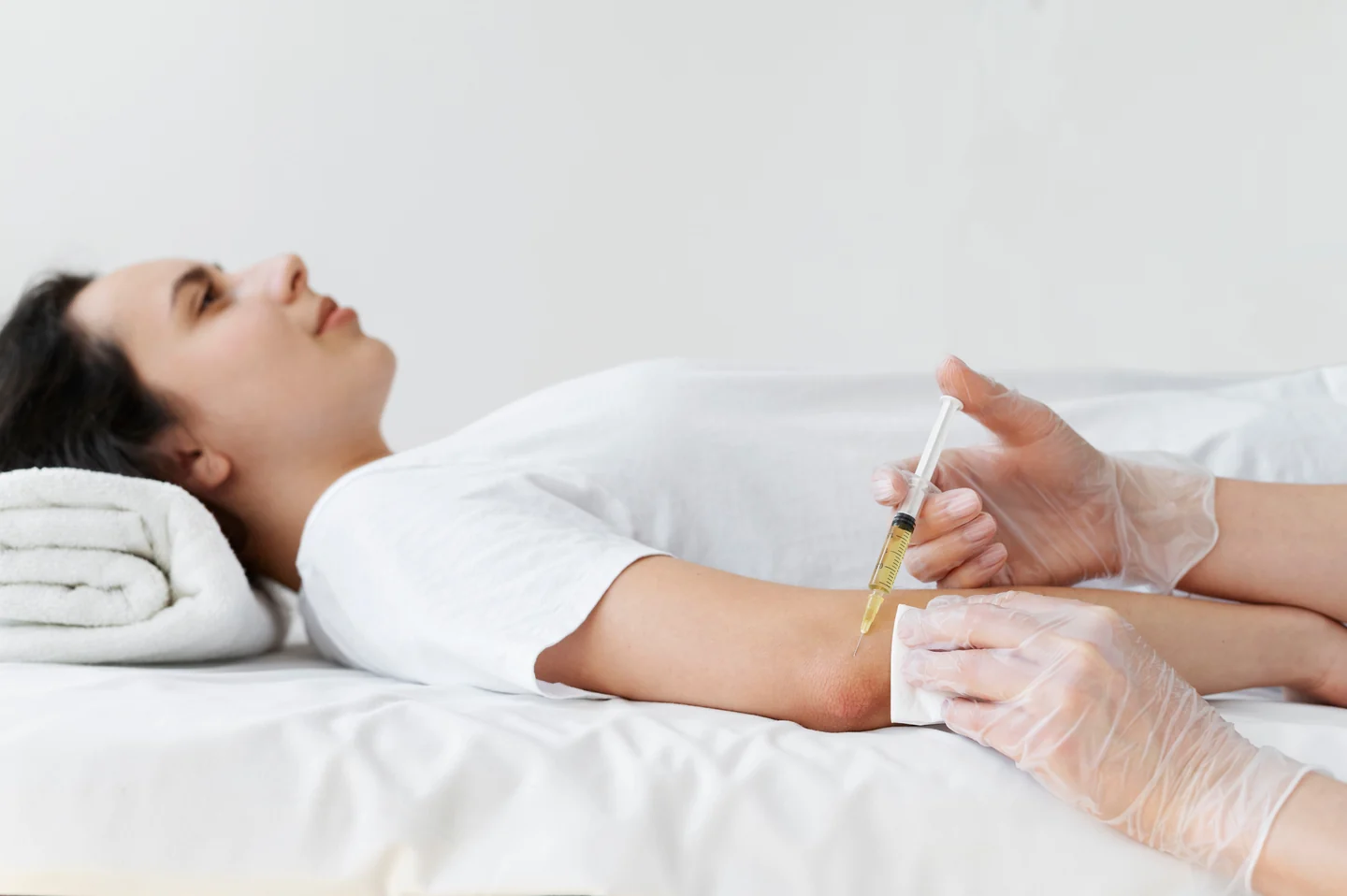
A small blood sample is collected and processed to separate and concentrate the platelet-rich plasma. The prepared PRP is then injected into the targeted joint or tendon.
Platelets release growth factors and other bioactive proteins involved in tissue repair. Treatment aims to support recovery and potentially improve pain, mobility and function over time. Because PRP is prepared from your own blood, no synthetic products are used as part of the PRP itself.
For an overview of its wider uses, read our PRP Therapy page. Here, we focus on joint and tendon concerns rather than PRP for skin or hair.
Which conditions may PRP support?
PRP may be considered for selected musculoskeletal concerns, including problems associated with overuse or degenerative changes:
- Knee pain and osteoarthritis
- Frozen shoulder
- Shoulder pain and impingement-related symptoms
- Tennis elbow and golfer’s elbow
- Rotator cuff tendinopathy
- Hip-related tendon problems
- Achilles tendinopathy
- Patellar tendinopathy
- Mild ligament injuries
- Sports and overuse injuries
- General joint and tendon discomfort affecting mobility
Suitability depends on the individual condition, your medical history and a clinical assessment. PRP is a non-surgical option for some conditions; it is not a direct replacement for surgery.
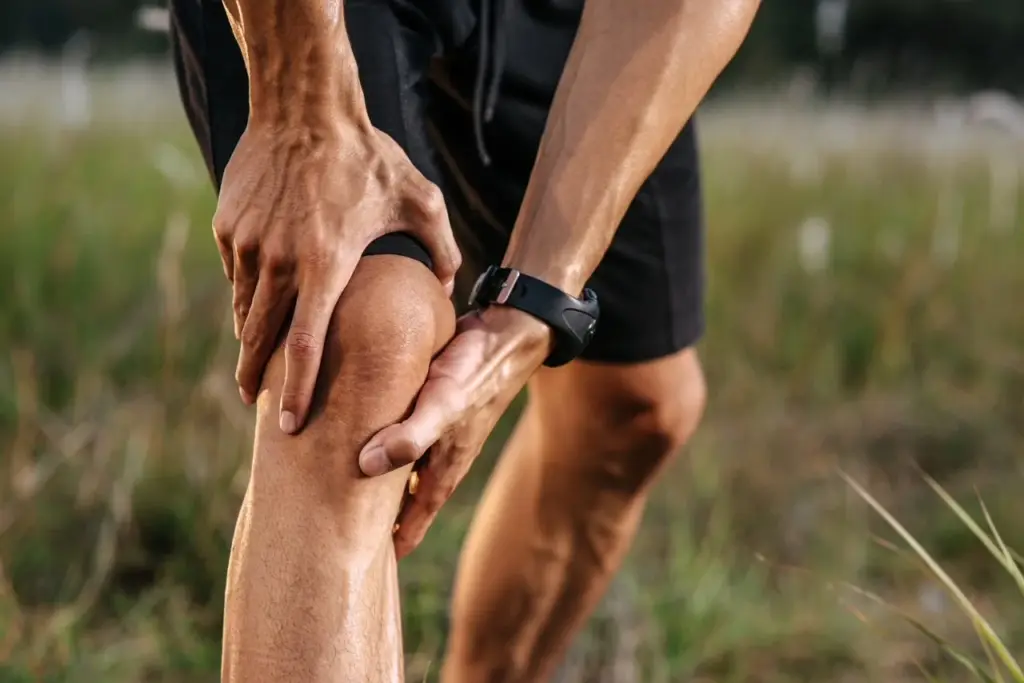
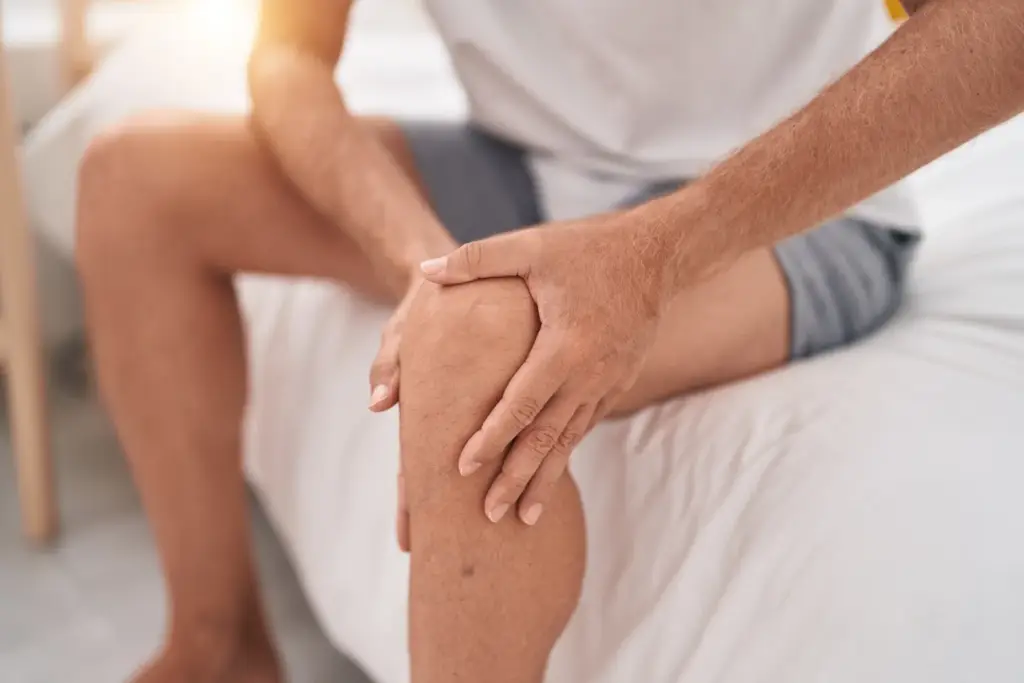
PRP for knee pain
PRP is commonly considered for certain causes of knee pain, including symptoms associated with osteoarthritis. An assessment helps establish whether it is appropriate for your particular symptoms.PRP is commonly considered for certain causes of knee pain, including symptoms associated with osteoarthritis. An assessment helps establish whether it is appropriate for your particular symptoms.
PRP for frozen shoulder
Frozen shoulder can cause pain, stiffness and a significant restriction of movement. It may affect everyday activities for many months.
PRP may be considered for selected patients experiencing frozen shoulder symptoms. Your symptoms, medical history and the stage of the condition all form part of the suitability assessment.

PRP for tendon problems
Persistent tendon conditions, such as tennis elbow, golfer’s elbow and Achilles tendinopathy, may also be considered for PRP. The affected area and the nature of the problem will guide the treatment plan.
What happens at your appointment?
Your visit begins with a consultation to assess your symptoms, medical history and suitability for treatment.
- A small blood sample is taken.
- The sample is processed while you wait to prepare the concentrated PRP.
- The PRP is carefully injected into the targeted joint or tendon.
Some discomfort or pressure during the injection is normal and generally short-lived. You can usually return home shortly after your appointment.
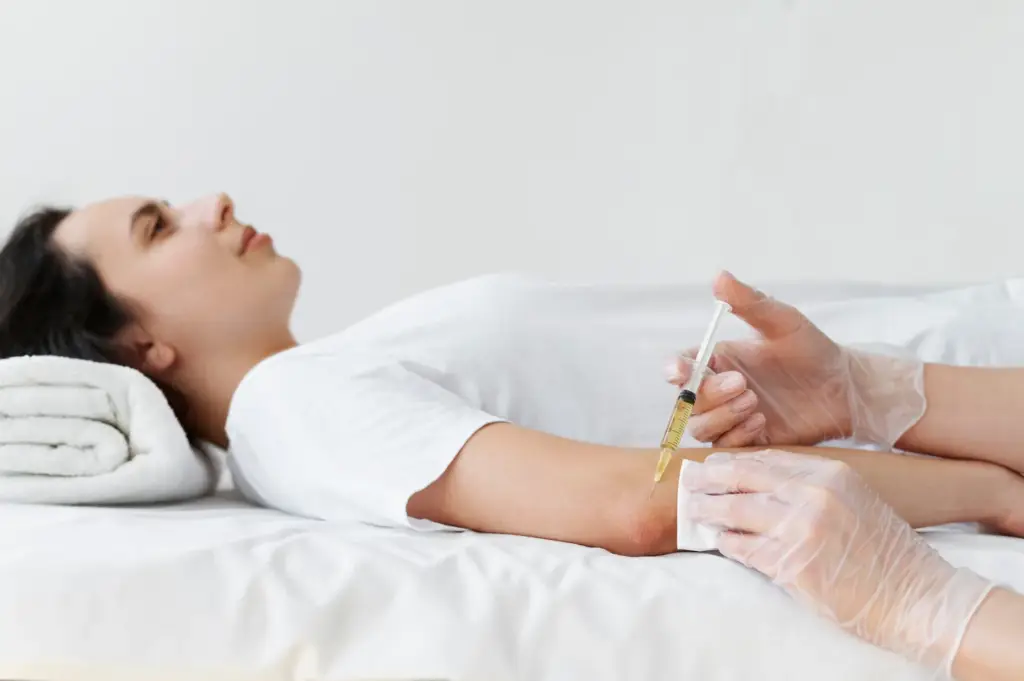
Aftercare and recovery
Temporary soreness, stiffness, mild swelling or a heavy feeling in the treated area can occur after PRP treatment. Many people can return to light daily activities shortly afterwards.
You may be advised to avoid strenuous exercise or activities involving the treated area for a short period. You will receive clear aftercare guidance following treatment, including advice relevant to the area injected.
Treatment course and results
The number of treatments varies according to the condition and your individual response. A course is often recommended, with sessions usually spaced several weeks apart. Some people may notice improvement after one or two treatments, while others may require a full course.
PRP works through the body’s biological processes, so any improvement usually develops gradually rather than immediately. Some people notice changes within several weeks; others need longer. Results vary and improvement is not guaranteed.
Suitability and risks
PRP is prepared from your own blood, which reduces the risk of an allergic reaction to the injected material. As with any injection procedure, potential risks include pain, bruising, bleeding and infection. These will be discussed before treatment.
An individual assessment is essential to decide whether PRP is appropriate for your symptoms and medical history.
PRP treatment at Blemish Clinic
We provide a personalised approach from consultation through to treatment and aftercare. Joint and tendon injections are offered following an assessment, with treatment tailored to your symptoms and the area affected.
Our clinic in Ramsbottom is conveniently located for patients travelling from Bury, Rawtenstall, Haslingden, Rossendale and surrounding areas of Greater Manchester and Lancashire.
PRP joint and tendon injections FAQs
What is PRP and how does it help joints and tendons?
PRP stands for Platelet Rich Plasma. It is created from a small sample of your own blood and contains concentrated platelets and growth factors involved in natural tissue repair. When injected into a targeted joint or tendon, PRP aims to support the body’s natural repair processes and may help improve discomfort, mobility and function over time.
Which conditions can PRP help with?
PRP may be considered for knee pain and osteoarthritis, frozen shoulder, tendon injuries, rotator cuff problems, tennis elbow, golfer’s elbow, Achilles tendinopathy and other selected joint and tendon conditions.
Is PRP suitable for frozen shoulder?
PRP may be considered for some patients experiencing frozen shoulder. Suitability depends on your symptoms, stage of the condition and individual medical history, so an assessment is required before treatment.
Is PRP suitable for knee pain?
PRP is commonly considered for certain causes of knee pain, including symptoms associated with osteoarthritis. An assessment is important to establish whether PRP is appropriate for your particular symptoms.
Can PRP be used for tendon injuries?
Yes. PRP may be used for a number of tendon problems, including tennis elbow, golfer’s elbow, Achilles tendinopathy and other persistent tendon conditions.
How many PRP injections will I need?
The number of treatments varies. A course of treatments several weeks apart may be recommended, although some people require fewer sessions.
Does PRP treatment hurt?
Most people experience some discomfort during the injection. The treated area may also feel sore or stiff afterwards, but this is usually temporary.
How long does it take to see results?
PRP works gradually. Some people may notice improvement within several weeks, while others require a longer period or a course of treatment. Individual results vary.
What is the recovery time?
Mild soreness, stiffness or swelling may occur after treatment. Many people can return to normal light daily activities shortly afterwards, although strenuous activity involving the treated area may need to be temporarily restricted.
Is PRP a safe treatment?
PRP is prepared from your own blood, which reduces the risk of an allergic reaction to the injected material. As with any injection procedure, there are potential risks, including pain, bruising, bleeding and infection. These will be discussed before treatment.
Can PRP replace surgery?
PRP is not a direct replacement for surgery. It is a non-surgical treatment option that may be suitable for some joint and tendon conditions.
Do you offer PRP for both joints and tendons?
Yes. PRP may be available for knees, shoulders, elbows, hips, ankles and a range of tendon problems following assessment.
Where is Blemish Clinic located?
Blemish Clinic is based in Ramsbottom and provides PRP joint and tendon treatments for patients from Bury, Rawtenstall, Haslingden, Rossendale and surrounding areas of Greater Manchester and Lancashire.
Discuss your joint or tendon symptoms
To find out whether PRP may be suitable for you, contact Blemish Clinic to arrange a consultation. We will assess your symptoms and talk through the treatment options, likely course and aftercare.